Living in another country and its challenges
Moving to a new country changes more than your address. Much of what used to carry you – your language, everyday routines, people who know you – is suddenly missing or far away. Often it is not the big decisions that wear you down but the small moments: a phone call in another language and a joke you don't quite get.
Feeling unsure, tired or self-conscious in a new place – what many people call culture shock – is an understandable response to having less support around you. It doesn't mean you are doing something wrong, however long it lasts. Many people also experience the move as an opening: new freedom, curiosity, a chance to find out who else you can be. That can sit right next to the difficult parts.
Even if you chose to move and are glad you did, you may miss what you left behind – people, the culture, the role you had there. Being far from family can be hard in its own way: when parents are getting older or when visits end with another goodbye.
If you came here for your partner's job or for your studies, other questions may come up too: what you gave up, where you want to live and who you want to become. Feeling lost or resentful at times can be part of that.
Living in a new country can also mean being treated as an outsider – being asked where you're “really” from or not being taken seriously because of your accent. Experiences like these can hurt and they have a place here too.
How we can work with it
In our work we pay attention to what is here right now – in what you tell me, in your body and in the images that come up.
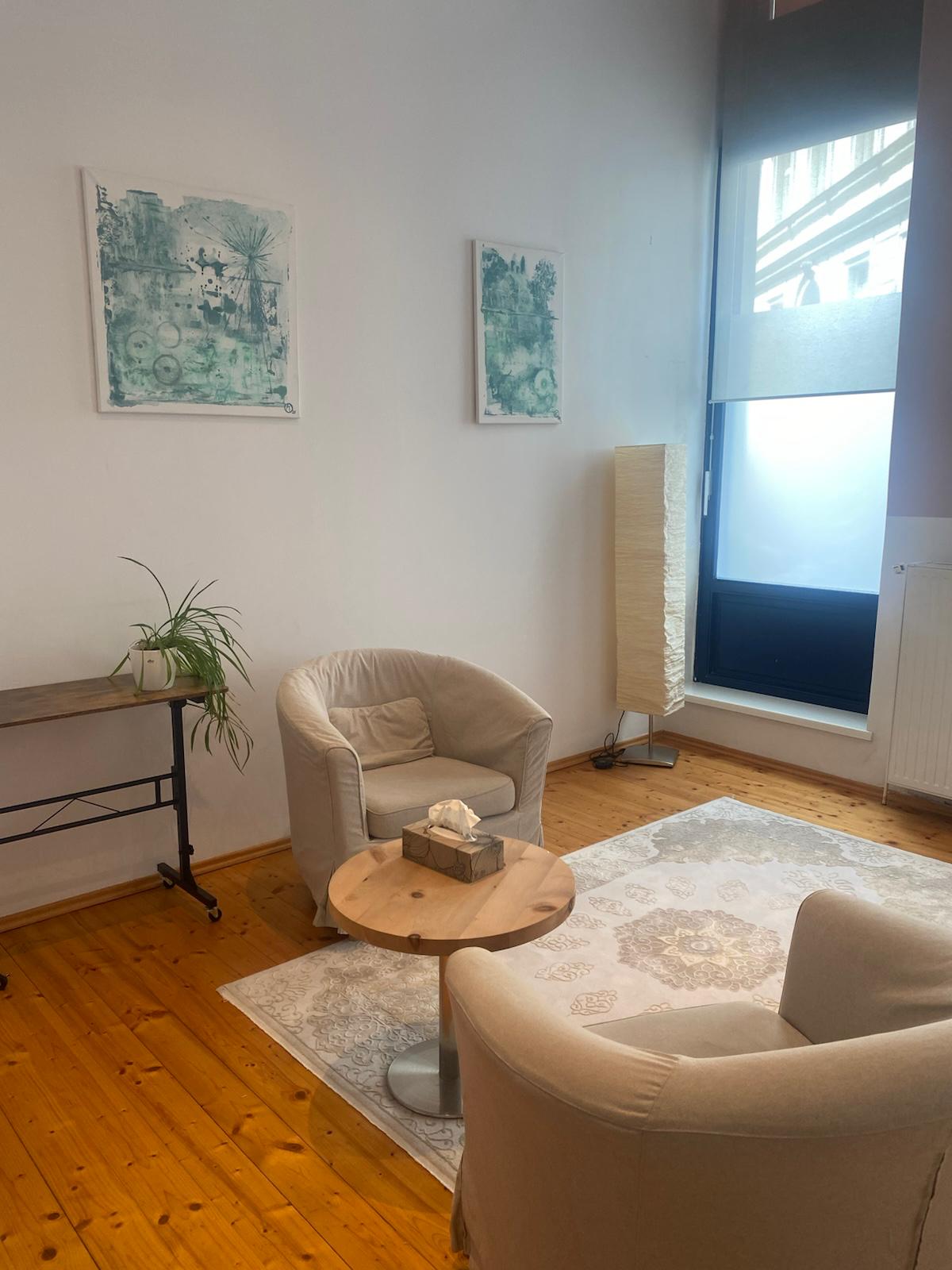
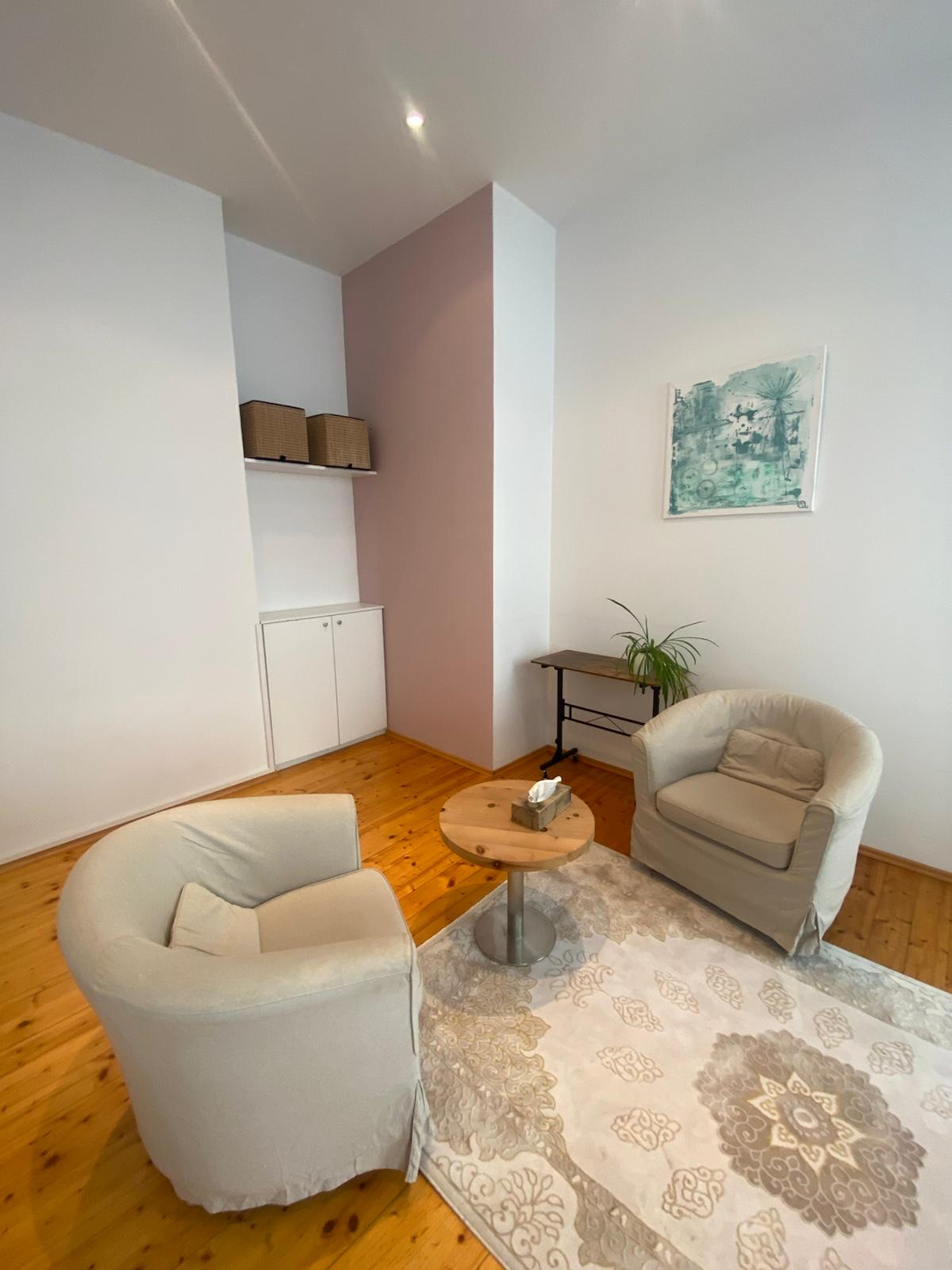
Together we can look at who and what supports you now – here, back home and online – and what you might be missing. If you like, we also pay attention to what gives you grounding: the floor under your feet, the chair that holds you, your breath. We can also look at what does you good: people in your life who are good for you, free time and the things that bring you joy.
Living between two countries can pull you in different directions: here and there, fitting in and staying true to yourself, freedom and loss. We can make room for all of these sides and for what remains unsaid with people far away.
Getting started & practical questions
In the free initial session you tell me what brought you here and what your life looks like right now – as much or as little as you want. You set the pace and you don't need to explain your country, your culture or your choices before we can begin. You don't need a diagnosis or a reason that feels “serious enough”.
You don't need to speak German to work with me and English doesn't have to be your first language. If a word from your own language says it better, use it – we'll find the words together. My first language is German, but English is very much part of my everyday life – at home, with many friends and in my therapy sessions. Some feelings and memories live in the language you grew up with and for some people it matters to do therapy in their first language. If that's true for you, we can think it through together.
I grew up in Vienna and many people close to me have come here from elsewhere. Still, some things that feel normal to me may be unfamiliar to you – and the other way around. I'd rather ask than assume and I'm glad when you tell me if something I say doesn't fit.
You'll find details on fees, insurance and online sessions in the FAQs. Questions about visas, residence permits, work or housing need specialist advice, which I can't provide – but there is room here for everything they stir up.