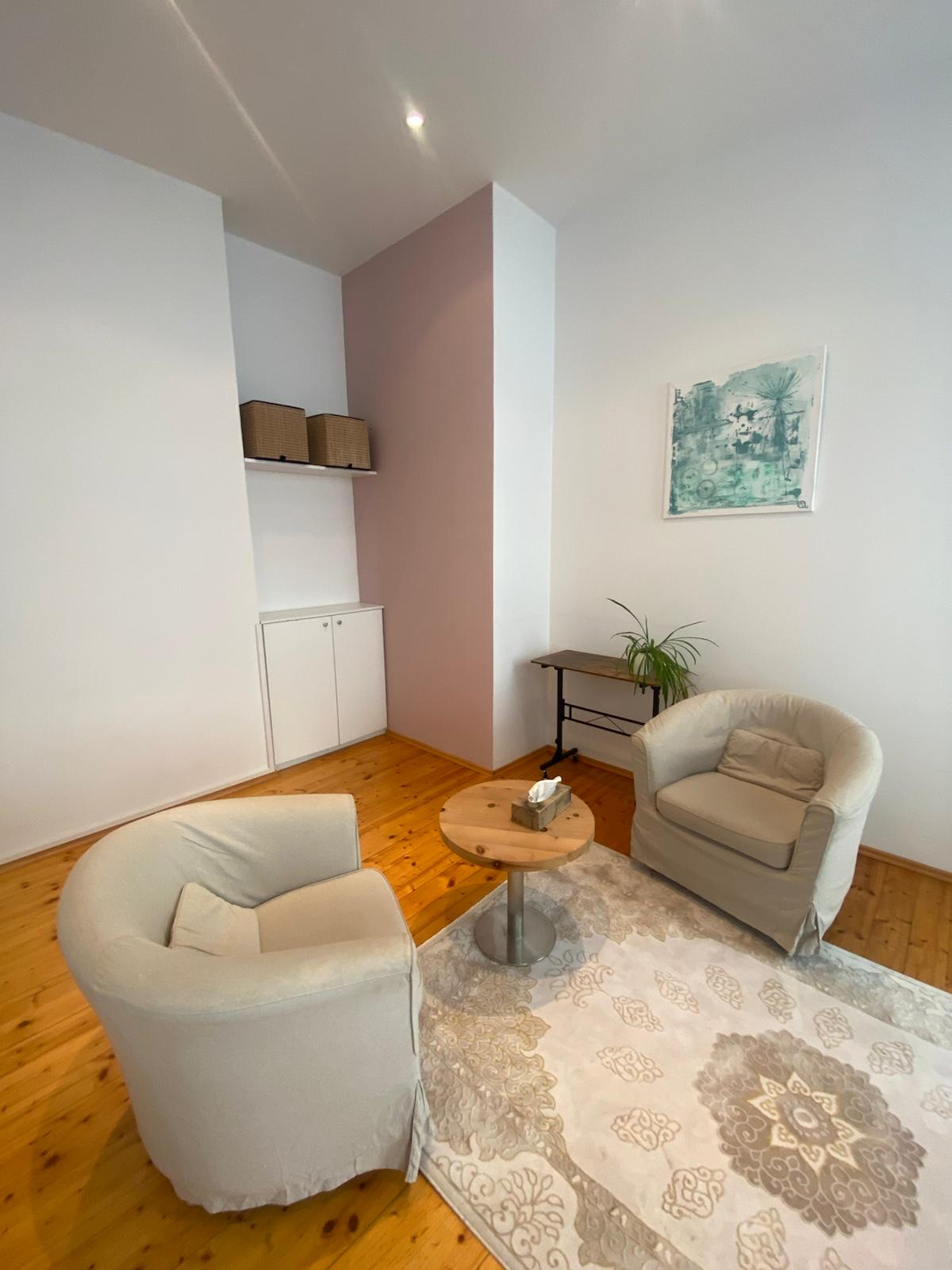
How anxiety shows up in everyday life
Fear is not a bad thing in itself. It is a feeling that protects us and makes us careful. But fear, ongoing anxiety and panic attacks can also be very distressing. In clinical terms this may be called an anxiety disorder, panic disorder, generalized anxiety disorder, social anxiety disorder or agoraphobia. Whether any of these applies to you doesn't need to be clear at the start.
Sometimes it's less a particular situation that weighs on you than the worry that the anxiety will come back. If you've ever had a panic attack in the supermarket, on the U-Bahn or in a meeting, you may go back the next time with an uneasy feeling.
Avoiding the anxiety is understandable and helps in the moment. Over time, though, your world can get smaller: you stop taking certain routes, skip appointments and see people less, and what used to do you good becomes a strain. Exhaustion, poor sleep or low mood often come along with it.
On the outside many people seem calm and composed. Not letting anything show often takes a lot of energy. Some don't tell anyone for a long time, worried they won't be taken seriously or will be seen as strange. On top of that there is often self-criticism: “Everyone else manages, so why can't I?”
How I work with it
I take what you are going through seriously. At the beginning it's about finding solid ground again. Anxiety pulls your attention toward what might happen. In therapy we keep coming back to what is here now: the chair that supports you, the floor beneath your feet, your breath.
Once there is enough stability, we look together at what lies behind the anxiety. This can open up space for new experiences beyond the anxiety.
Like every feeling anxiety is part of life. Sometimes it signals that something is coming up: a decision, a goodbye, a next step. Some anxiety also shows that something matters to you. Behind the fear of being around people there is often a longing for connection. Both have a place in therapy: the need for safety and the longing for more. We listen to both sides and see what each one needs.
We can also approach what you have been avoiding in small steps. You decide how big a step is and when you're ready to take it.
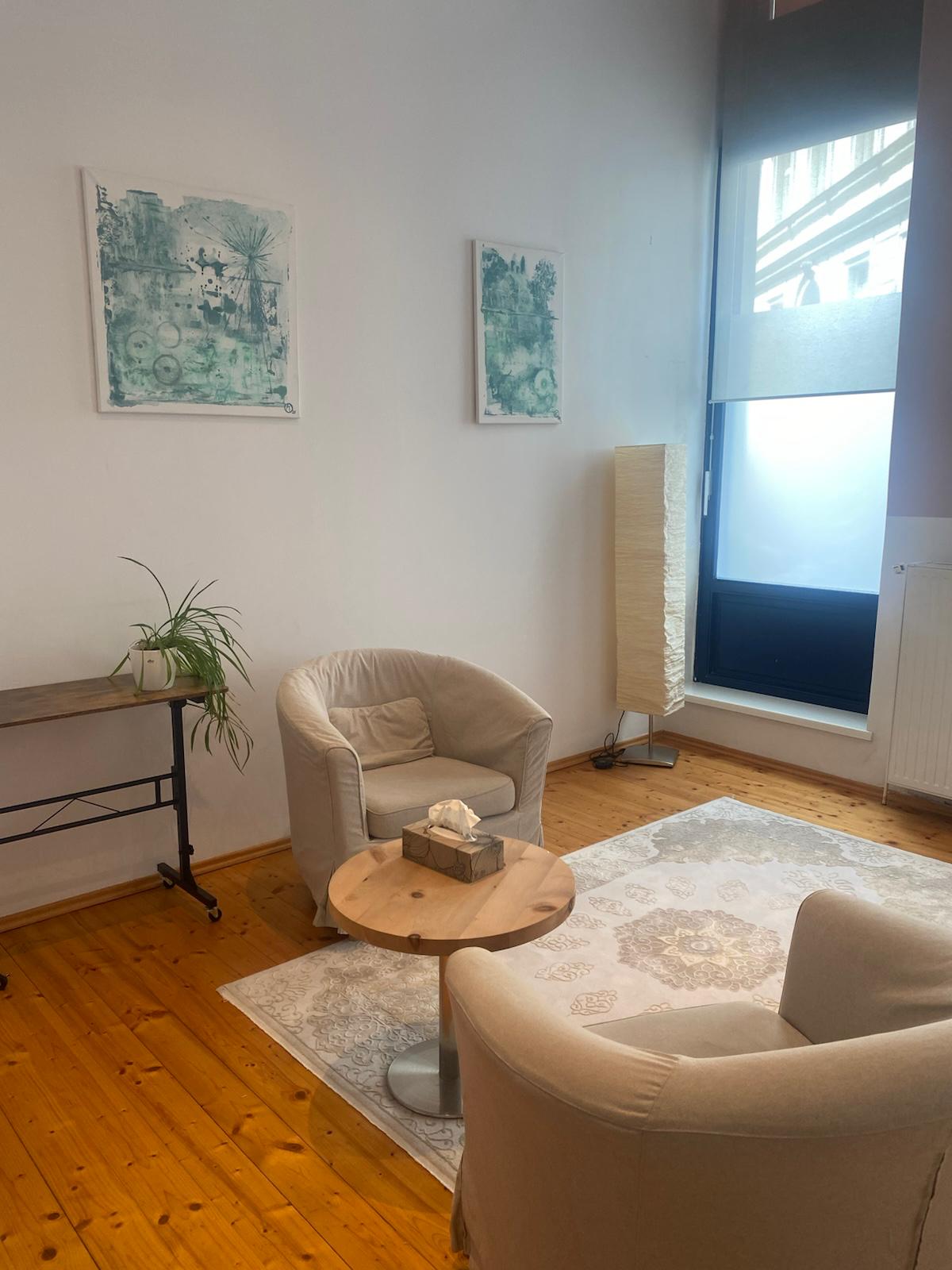
The first sessions
In the initial session, free and with no commitment, you tell me what brings you here, as much or as little as feels possible right now. You don't need to be able to explain your anxiety or know where it comes from. Feeling nervous before the first appointment can be part of it and that's okay too. After the session you can take your time to decide whether you'd like to start therapy.
In the sessions that follow I'm interested in how long the anxiety has been there, when it gets stronger and when it eases, and what has helped you so far. If it is very strong right now, we first focus on what gives you stability in everyday life.
Sometimes I suggest a small exercise or experiment. You can say no or stop at any time.